

How to Find the Right E-Bike for You
February 25, 2026
Enjoy St. Patrick’s Day Hilton Head Style
March 11, 2026
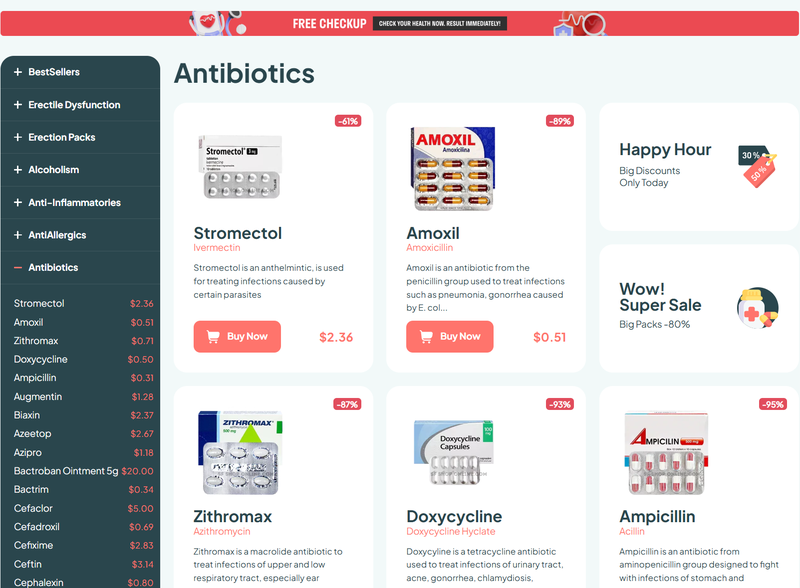
To Where To Buy Azithromycin Online Visit Our Pharmacy ↓
The Role of Azithromycin in Preventing and Treating Infectious Diseases
Azithromycin is an antibiotic medication that has been a popular choice for treating sexually transmitted diseases (STDs) such as chlamydia and gonorrhea. Azithromycin is renowned for its versatility in combating a broad range of bacterial infections. The spread of resistant infections necessitates the use of alternative, often more potent antibiotics, which can have harsher side effects. Additionally, Azithromycin has been associated with certain adverse effects, such as gastrointestinal issues, liver problems, and allergic reactions. Moreover, it is comparatively better in terms of reduced incidence of some side effects. It acts by inhibiting bacterial protein synthesis, leading to bacterial death. Furthermore, we will discuss the role of azithromycin in preventing and treating infectious diseases.
Potential Challenges and Limitations of Azithromycin.
Its impact continues to be felt as researchers explore new applications and further understand its mechanisms of action. The dosage and length of treatment depend on the type and severity of the infection, age, weight, and overall health condition of the patient. Healthcare professionals carefully consider the specific condition and dosing guidelines to ensure optimal treatment outcomes for patients. This article aims to unveil the power of azithromycin for skin infections, exploring its mechanism of action, fast and effective results, versatility in treating different types of skin infections, and its minimal side effects. This outstanding capability, combined with its broad spectrum, makes Azithromycin a highly effective antibiotic in combating various infections. The findings provide valuable insights into the safety of this medication for both the mother and the developing baby. As more research is conducted, the benefits of azithromycin continue to expand, offering hope for people suffering from a variety of health conditions.
It is commonly prescribed for respiratory tract infections, skin infections, and sexually transmitted diseases
Early studies suggested that this antibiotic showed some promise, but subsequent research revealed no significant benefit in treating Covid-19. Azithromycin can effectively neutralize infections when taken as directed by a physician. By doing so, azithromycin effectively hampers the production of proteins essential for bacterial survival, thereby exerting its antibacterial effects. Proper administration of azithromycin is essential for its success in combating sexually transmitted diseases. If you experience any unusual side effects, or if you have any concerns about the medication's safety, be sure to contact your doctor right away. Prompt diagnosis and appropriate treatment with azithromycin can help alleviate symptoms and eliminate the bacterial infection. Therefore, before considering the use of azithromycin for COVID-19 treatment, it is critical to understand the potential benefits and risks associated with this medication.
However, there is still a lack of clarity on whether the antibiotic itself is the primary cause of these risks or whether there are other underlying factors at play.
Pregnant or breastfeeding women should also consult with their healthcare provider before taking azithromycin. Reports indicate that true drug allergies, those involving an immune response as opposed to non-allergic side effects, occur in a small percentage of patients, leaving the vast majority able to tolerate the medication without issue. Azithromycin should ideally be given early on in the course of the disease as it may possess the greatest benefit during this time. As travelers explore diverse destinations, the varying climate conditions, local pathogens, and health risks necessitate thoughtful consideration of azithromycin use. However, the incidence of liver toxicity associated with Azithromycin is quite rare and typically occurs in patients with pre-existing liver conditions. Firstly, some researchers have raised concerns over the lack of scientific evidence to support the use of azithromycin for COVID-19 treatment. This medication is effective against a broad range of bacterial infections, including respiratory tract infections, skin and soft tissue infections, and sexually transmitted infections.
Understanding the dosage and administration of Azithromycin is crucial to ensuring that the medication works effectively and that potential side effects are minimized
However, before taking any medication, it's essential to consult a qualified healthcare professional and to follow their advice to avoid any adverse health outcomes. If you experience any of these symptoms after taking Azithromycin, seek immediate medical attention. When considering azithromycin for pediatric use, its safety profile is of paramount importance. Common side effects of the medication include the likes of antibiotics such as diarrhea, nausea, abdominal pain, and vomiting, but these side effects are typically self-limiting and mild. Additionally, azithromycin is used to treat sexually transmitted diseases such as chlamydia and gonorrhea. Despite the controversies surrounding the use of azithromycin for COVID-19 treatment, researchers have identified some potential benefits of this medication. While Azithromycin may be more effective and have a lower risk of side effects than many other antibiotics, it may not be the right choice for everyone or every infection.
Tips for Successful Azithromycin Treatment
In contrast, other antibiotics such as penicillin and quinolones may cause more severe reactions, including allergic reactions and tendon ruptures. When Azithromycin Is Prescribed: Azithromycin is commonly used to treat bacterial infections, including sexually transmitted infections (STIs). Azithromycin is often hailed as a go-to antibiotic for respiratory infections, thanks to its broad-spectrum efficacy. Despite being typically transient, these reactions can affect compliance with the treatment regimen, leading to incomplete courses of antibiotics and thus contributing to the problem of resistance. Azithromycin should not be stopped or changed without consulting a doctor, even if symptoms improve. Moreover, disposing of unused medication properly is crucial to environmental conservation. Its mechanism of action involves inhibiting bacterial protein synthesis, effectively stopping the growth and reproduction of harmful bacteria in the body.
Recent Studies and Advancements in Veterinary Antibiotics
This means that it is crucial to take the medication at the same time every day as prescribed by the doctor. These factors may increase the risk of developing serious side effects and require closer monitoring during treatment. Additionally, it is not recommended to share Azithromycin with others or use leftover medication to treat a new infection. The dosage will depend on factors such as the patient's age and weight, the severity of the infection, and the type of bacteria causing the infection. When comparing Azithromycin with other antibiotics, it stands out due to its unique characteristics. If you have any questions or concerns about Azithromycin or its potential side effects, be sure to consult with your healthcare provider. It has also proven useful in tackling sexually transmitted infections caused by Chlamydia trachomatis and Neisseria gonorrhoeae.
Rapid Relief from Symptoms
Azithromycin plays a significant role in the treatment of various skin infections. Azithromycin is a macrolide antibiotic that belongs to the class of drugs known as azalides. Its reach to the sites of infection and the subsequent sustained release of the drug at these sites not only maximizes its therapeutic action but also minimizes systemic side effects, affirming azithromycin’s role as a powerful weapon in the clinician's arsenal against respiratory infections. This targeted approach illustrates that while azithromycin can play a role, it is not a standalone solution for Covid-19. While Azithromycin offers promising results, it's important to note that its effectiveness may vary depending on the specific bacteria and infection being treated. Azithromycin, an antibiotic commonly prescribed for various infections, has been found to offer significant benefits in improving respiratory symptoms. In conclusion, Azithromycin is a versatile antibiotic that is used to treat a wide range of bacterial infections.
Improving Outcomes for Skin Conditions
With its broad-spectrum activity and efficacy, azithromycin has become an essential antibiotic for the treatment of many bacterial infections. According to the World Health Organization (WHO) and the Centers for Disease Control and Prevention (CDC), azithromycin alone does not offer a guaranteed cure for the virus. It exhibits a unique pharmacokinetic profile, making it highly effective against a range of bacterial infections. The medication is commonly prescribed to treat a range of bacterial infections, including respiratory issues such as pneumonia, bronchitis, and sinusitis. The side effects of Azithromycin are generally mild and include diarrhea, nausea, and abdominal pain. In some cases, animals may exhibit allergic reactions, such as skin rashes or swelling. Furthermore, the effectiveness of the drug in treating COVID-19 remains uncertain as research on the topic continues.
Transmission Prevention with Azithromycin
Additionally, prolonged use of azithromycin can lead to antibiotic resistance, which can make future bacterial infections harder to treat. Azithromycin, a widely used antibiotic in pediatric medicine, must be prescribed with caution due to its potential to interact with other medications. In summary, the popularity of azithromycin in respiratory infections is due to its broad-spectrum activity, lower resistance potential, and convenient dosing regimen that makes it an ideal choice for treating respiratory infections. While some RTIs can resolve on their own with adequate rest and symptomatic treatment, others may require the use of antibiotics like azithromycin to clear the infection. It is also advised to practice safe sex, such as using condoms, to prevent future infections. Like most antibiotics, azithromycin comes with a potential for side effects, ranging from mild to severe. Søren Jensen, a Danish scientist, is credited with developing this groundbreaking drug.
Online Inderal No PrescriptionBuy Actos No PrescriptionZithromax Online
